Skip to content

How Blockchain Technology Works

Where Your Supply Chain Meets Certainty.

Get Started

Supporting Technologies Of BlockChain

Supporting Technologies Cloud Computing: For scaling blockchain platforms and hosting nodes. Internet of Things: For automating blockchain-based supply chains or tracking assets. Artificial Intelligence: For analyzing patterns in blockchain data. Zero-Knowledge Proofs: Privacy-enhancing technique to verify info without revealing it. https://creatorchain.network


The Core Components Of Block Chain

Core Components: Blocks: Containers of data (usually transactions) Nodes: Independent computers in the network Hashing: Converts data into a unique string of characters Consensus Mechanism: Ensures agreement across nodes Smart Contracts: Self-executing code triggered by conditions in the blockchain https://creatorchain.network

Featured Stories


Types And Benefits Of Blockchains

Types of Blockchains: Public Blockchain: Open to anyone Private Blockchain: Restricted access, usually within organizations Consortium Blockchain: Controlled by a group of organizations Benefits: Enhanced security Greater transparency Reduced costs (by removing intermediaries) Faster transaction processing Auditability and traceability https://creatorchain.network


How Blockchain Technology Works

Blockchain technology is a distributed ledger technology that records data across a network of computers in a way that ensures the data is: How it works: Transaction Initiation: Transaction Broadcast: Validation: Block Creation: Block Linking: Immutability: https://creatorchain.network

Key Features of Blockchain

Decentralization – No single person or organization controls the blockchain. Transparency – Anyone can view transactions on a public blockchain. Security – Uses cryptography to secure data and ensure only valid transactions are added. Immutability – Once data is written, it cannot be altered without consensus. https://creatorchain.network

Continue Reading

How Blockchain Could Transform the Way Creators Buy YouTube Views and Validate Engagement

    Creator reviewing verified engagement data in a bright workspace powered by transparent blockchain systems.

    Digital creators function within an economy where visibility equals opportunity. As competition gets fiercer, many creators opt to buy YouTube views to accelerate early traction and signal relevance to algorithms.

    Even though this practice has existed for a while, the questions surrounding transparency, authenticity, and trust remain. Separate from cryptocurrency, blockchain technology is emerging to address these issues and redefine the measurement and verification of digital engagement.

    The Trust Gap in Digital Engagement Metrics

    Engagement metrics are still central to brand partnerships and creator monetization and platform discovery systems. The view counting process, and the validation of those views, continues to cause skepticism.

    On the creator side, there has been the concern that their promotional efforts will harm their reputation. On the advertiser’s side, the concern has been that engagement will not reflect real audience attention. This trust gap is a more structural and permanent issue than a temporary one.

    Blockchain as a Prevention of Alteration Verification Layer

    Blockchain’s decentralized digital record keeping logs digital record creation and can retain records of users, orders, and digital engagements via views.

    Each digital event can be recorded and saved on an immutable ledger and can include time stamps, record origins, and validation within certain parameters.

    Once digital events are on the ledger, the records are immutable and provide an audit trail for all actors in the digital event: the creators, the platforms, and the partners.

    Smart Contracts and Delivery Standards

    Smart contracts enable the addition of automations and new accountabilities to the delivered engagements. These contracts can be self-executed and be tailored to include parameters such as geographic scope, watch time thresholds, and pacing criteria before a view is counted.

    If the criteria are not satisfied, delivery of the digital service stops. This is an important shift in the field because it replaces unclear service promises with clear service standards, reducing confusion and boosting trust in how well the promotional campaigns work.


    ALSO READ: Online Reputation Management is Mirroring the Trust in Blockchain


    Empowered Creator Control And Ownership Of Their Data

    Blockchain technology supports decentralized ownership of data. Rather than relying on third-party dashboards, creators could have direct access to verified records of engagement.

    This portable data empowers creators to prove their past performance, providing them leverage for sponsorship negotiations or when they move to different platforms. Data engagement ownership transforms the data from a dependency to an asset, which increases the value of the creator economy.

    Impact on Platforms and Advertisers

    The use of blockchain technology to verify engagement records will assist platforms in maintaining the integrity of their ecosystems without implementing heavy-handed moderation.

    Advertisers will better understand their audience’s quality and their campaigns’ effectiveness. Over time, the industry can adopt common standards to encourage the use of shared verification tools to balance the interests of creators, platforms, and advertisers.

    A Measured Path Forward

    Blockchain does not eliminate the use of a platform’s algorithms or the need for an organic growth strategy. However, it introduces a practical layer of accountability that enhances transparency.

    As the experiments continue, the validation of engagement using blockchain technology is likely to become a norm for responsible digital marketing.

    Blockchain Technology and Buying Reddit Comments for Your Business

      Blockchain technology continues to grow across many industries. It is often linked to cryptocurrency, but it is much bigger than that. Many brands now use blockchain tools to improve security, trust, and transparency in their operations. At the same time, more companies are turning to Reddit as part of their marketing plan and they buy Reddit comments for your business. Buying Reddit comments has become a strategy to help brands increase visibility and build social proof. When used with care, it can help support your online presence and attract more customers.

      Blockchain Technology in Simple Terms

      Blockchain is a digital system that stores information in a safe and transparent way. Think of it as a shared online record book. Every time something is added to this book, the entry is locked and cannot be changed. Many users hold a copy of the record, so no single person controls it. This setup makes it hard for anyone to cheat or alter the data.

      The system works through blocks of data. These blocks connect to each other like a chain. Each block stores information about a transaction or action. Because each block is linked, you can trace the entire history. This makes the system strong and trustworthy.

      The main benefit of blockchain is transparency. Anyone inside the network can verify the data. This reduces fraud and errors. It also limits the need for middlemen. Many industries now explore blockchain tools to improve traceability and reduce costs. Healthcare uses it for patient records. Logistics uses it to track shipments. Retail uses it to confirm product authenticity. All these examples show that blockchain is not about trading coins. It is about creating secure and reliable systems.

      How Businesses Use Blockchain Today

      Businesses apply blockchain in different ways. Some use it to build stronger supply chains. A product can be tracked from the manufacturer to the buyer. This helps prevent fake or harmful goods from entering the market. It also makes the process more efficient.

      Some companies use blockchain to protect contracts. A “smart contract” is a digital agreement. It follows rules set by the parties and runs automatically. This reduces delays and mistakes. It also makes the process fair for everyone involved.

      Blockchain also helps protect data. Many users want safe ways to store personal information. The system makes it harder for hackers to access or change records. This gives customers peace of mind and improves brand trust.

      Another use is identity protection. Many online tools now require verification. Blockchain helps keep this information private while still proving that it comes from a real person.

      These examples show why many brands adopt blockchain in their daily operations. The technology supports efficiency, trust, and accountability.

      Why Businesses Buy Reddit Comments

      Reddit is one of the largest online communities. People use it to ask questions, share experiences, learn about products, and give recommendations. Because of this, many businesses want to be part of the conversations happening on the platform. One strategy they use is buying Reddit comments.

      Buying comments helps a brand gain visibility in active discussions. It allows a business to place helpful comments under relevant posts. These comments can explain a product, share details, or support someone’s question. When done properly, the comments appear natural and helpful. This creates a positive impression on readers.

      Some brands use this strategy to build social proof. People trust content from other users more than direct ads. A well-placed comment can increase curiosity, encourage clicks, and lead to more sales. Reddit users value honest insights. When the comments highlight real benefits or answer concerns, readers pay attention.

      Businesses also use Reddit comments to boost their engagement. Many threads rank higher when they have more activity. This helps more users discover the post, which can increase traffic to the business page or website.

      Online Reputation Management is Mirroring the Trust in Blockchain

        Nowadays, maintaining credibility online is as essential as securing digital assets. The concept of online reputation management has become a foundation for individuals and businesses striving to build trust in an increasingly skeptical environment. Within the first few interactions online, users often form opinions about a brand’s integrity and authenticity, which directly influences purchasing decisions and partnerships. Similar to how blockchain technology provides transparency through decentralized systems, managing reputation online requires consistency, honesty, and proof of reliability that cannot be easily altered.

        Both systems value accountability. Blockchain ensures that every transaction is verifiable, while reputation management ensures that every digital interaction reflects honesty.

        Blockchain beyond Cryptocurrency is Amazing

        The association of blockchain with cryptocurrencies is undeniable, yet its applications extend far beyond digital coins. As a matter of fact, there have been several industries that are now using blockchain for variety of applications such as:

        • Verify supply chain movements
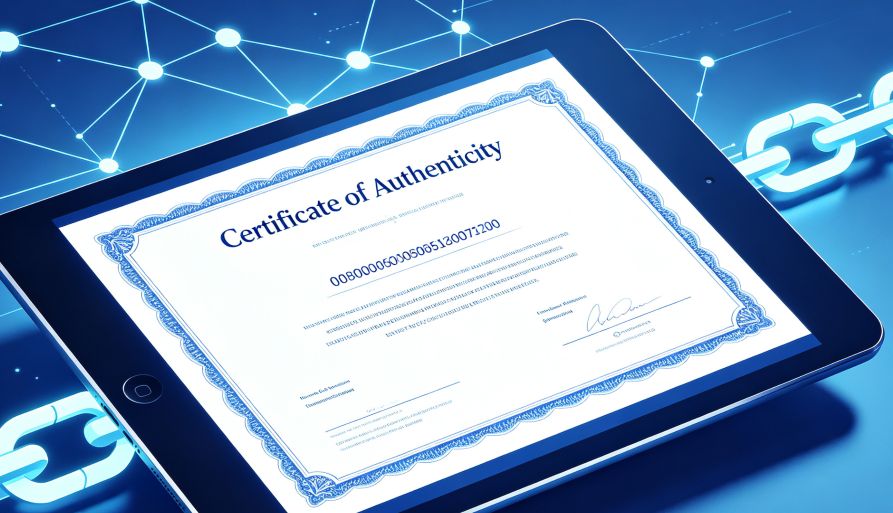
        • Authenticate documents
        • Manage voting systems

        The same principles that secure crypto transactions, transparency, immutability, and decentralization, are reshaping sectors like healthcare, logistics, and digital identity management.

        The connection between online reputation management and blockchain lies in their shared goal of ensuring authenticity. When data is secured through decentralized ledgers, it mirrors how online reviews and feedback build a transparent image of a brand’s performance.

        Blockchain in Data Security and Verification


        Blockchain’s potential for securing sensitive information is truly transformative. Unlike traditional centralized databases that store data in a single vulnerable point, blockchain distributes information across multiple nodes within a secure, transparent network. This decentralized nature makes unauthorized alterations nearly impossible, ensuring data integrity and accountability.

        Governments, healthcare providers, and global corporations are now exploring blockchain for identity verification, secure recordkeeping, and fraud prevention. By timestamping transactions and encrypting digital identities, blockchain provides a verifiable trail that builds trust between users and institutions. Beyond finance, its application in public administration and cybersecurity demonstrates a new era of digital trust, where transparency and protection coexist seamlessly.

        Human Element in Trust Building

        Technology can safeguard information, but human trust remains the cornerstone of digital credibility. Effective online reputation management extends beyond automated systems and algorithms, it thrives on genuine interaction, verified information, and consistent transparency.

        Building trust requires active communication, ethical practices, and accountability that audiences can recognize and rely on.

        When paired with blockchain verification tools, reputation management reaches a new level of integrity. Every testimonial, review, or business credential can be recorded in an immutable ledger, ensuring that reputation data is both authentic and tamper-proof. This combination of technology and sincerity empowers brands to cultivate lasting relationships with their audience, proving that in the digital era, credibility is built through both innovation and honesty.

        Creating a Transparent Digital Future

        As blockchain evolves, its applications in reputation validation will expand further. Imagine a world where reviews, partnerships, and credentials are automatically verified through blockchain-backed systems, a digital ecosystem where authenticity becomes standard, not optional. Both blockchain and reputation management share this future-driven vision: one that thrives on trust built through evidence and transparency.

        Supporting Technologies Of BlockChain

          Supporting Technologies

          Cloud Computing: For scaling blockchain platforms and hosting nodes.
          Internet of Things: For automating blockchain-based supply chains or tracking assets.
          Artificial Intelligence: For analyzing patterns in blockchain data.
          Zero-Knowledge Proofs: Privacy-enhancing technique to verify info without revealing it.

          https://creatorchain.network

          The Core Components Of Block Chain

            Core Components:
            Blocks: Containers of data (usually transactions)

            Nodes: Independent computers in the network
            Hashing: Converts data into a unique string of characters
            Consensus Mechanism: Ensures agreement across nodes
            Smart Contracts: Self-executing code triggered by conditions in the blockchain

            https://creatorchain.network

            Types And Benefits Of Blockchains

              Types of Blockchains:
              Public Blockchain: Open to anyone

              Private Blockchain: Restricted access, usually within organizations
              Consortium Blockchain: Controlled by a group of organizations

              Benefits:
              Enhanced security
              Greater transparency
              Reduced costs (by removing intermediaries)
              Faster transaction processing
              Auditability and traceability

              https://creatorchain.network

              How Blockchain Technology Works

                Blockchain technology is a distributed ledger technology that records data across a network of computers in a way that ensures the data is:
                How it works:

                Transaction Initiation:

                Transaction Broadcast:

                Validation:

                Block Creation:

                Block Linking:

                Immutability:

                https://creatorchain.network

                Key Features of Blockchain

                  Decentralization – No single person or organization controls the blockchain.
                  Transparency – Anyone can view transactions on a public blockchain.
                  Security – Uses cryptography to secure data and ensure only valid transactions are added.
                  Immutability – Once data is written, it cannot be altered without consensus.

                  https://creatorchain.network

                  The Common Uses Of Blockchain

                    Blockchain is a type of digital database or ledger that is decentralized, secure, and immutable. It is most commonly associated with cryptocurrencies like Bitcoin and Ethereum, but it has many other uses.

                    Common Uses of Blockchain:

                    Cryptocurrencies
                    Smart contracts
                    Supply chain tracking
                    Digital identity management
                    Voting systems
                    Healthcare records

                    https://creatorchain.network

                    𐌢